How to Improve Your Reaction Time: 7 Practical Habits
Updated 2026-11-15
Reaction time is the delay between seeing something and responding to it. You can't rebuild your nervous system, but you can get more consistent and remove the things that slow you down. These habits help most people.
1. Measure it first
Start with a baseline. Try the reaction time test a few times and note your average, not just your best round. Use the same device each time, because phones and screens add their own small delay.
2. Sleep comes first
Being tired is one of the most reliable ways to slow down. If your scores drop late at night, that is your body telling you something, not a sign that you have lost skill.
3. Warm up for a minute
Your first few attempts are usually your slowest. A minute of easy play before you try for a best score gets your attention up to speed.
4. Practice little and often
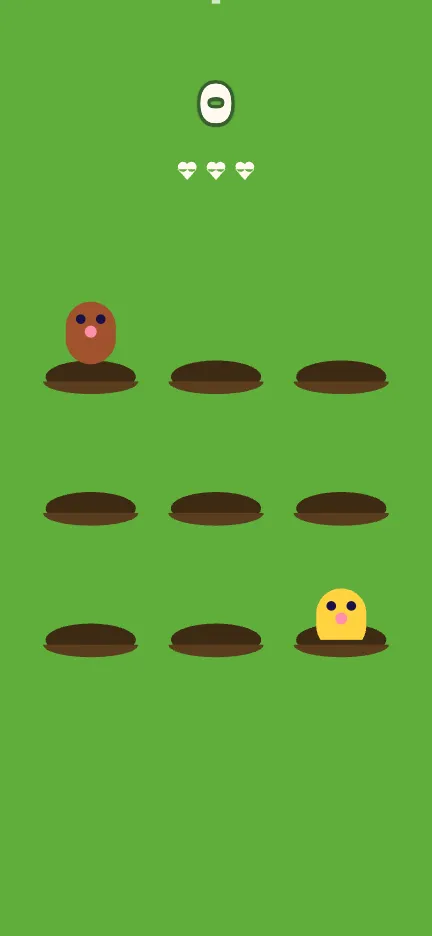
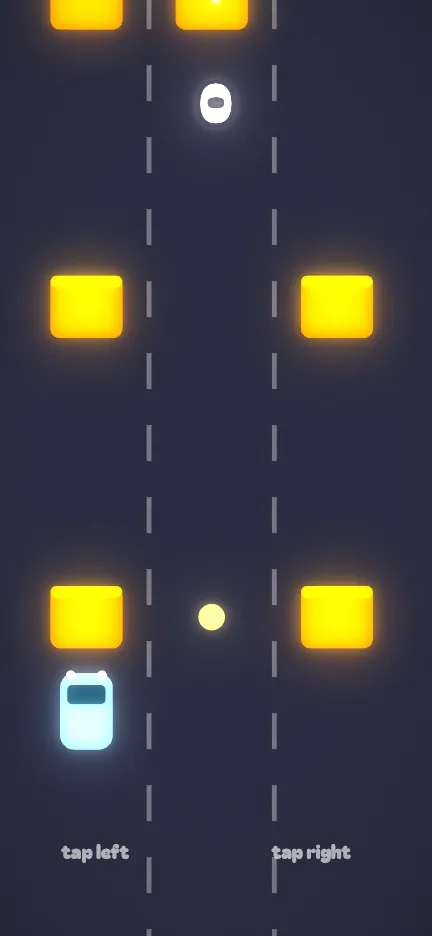
Short daily sessions beat one long session. Five minutes of a reflex game such as Popup or Lanehop keeps practice fresh without wearing you out.
5. Watch the right spot
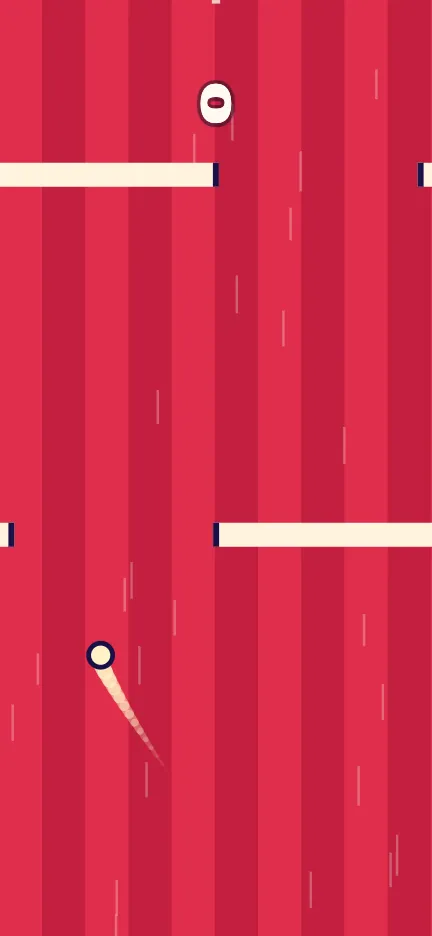
In fast games, look where the next thing will come from, not at your own character. In Razorline, that means looking at the next wall, not your comet.
6. Stay relaxed
Tense hands are slower. Rest your thumb lightly on the screen so it is ready to move, without pressing.
7. Don't guess
Tapping early can feel faster, but in a fair test it loses. Practice waiting for the signal. Over time, you react sooner without having to guess.
The short version
Measure your baseline, sleep well, warm up, practice for a few minutes a day and stay relaxed. Then come back to the reaction time test and see whether your average has moved.